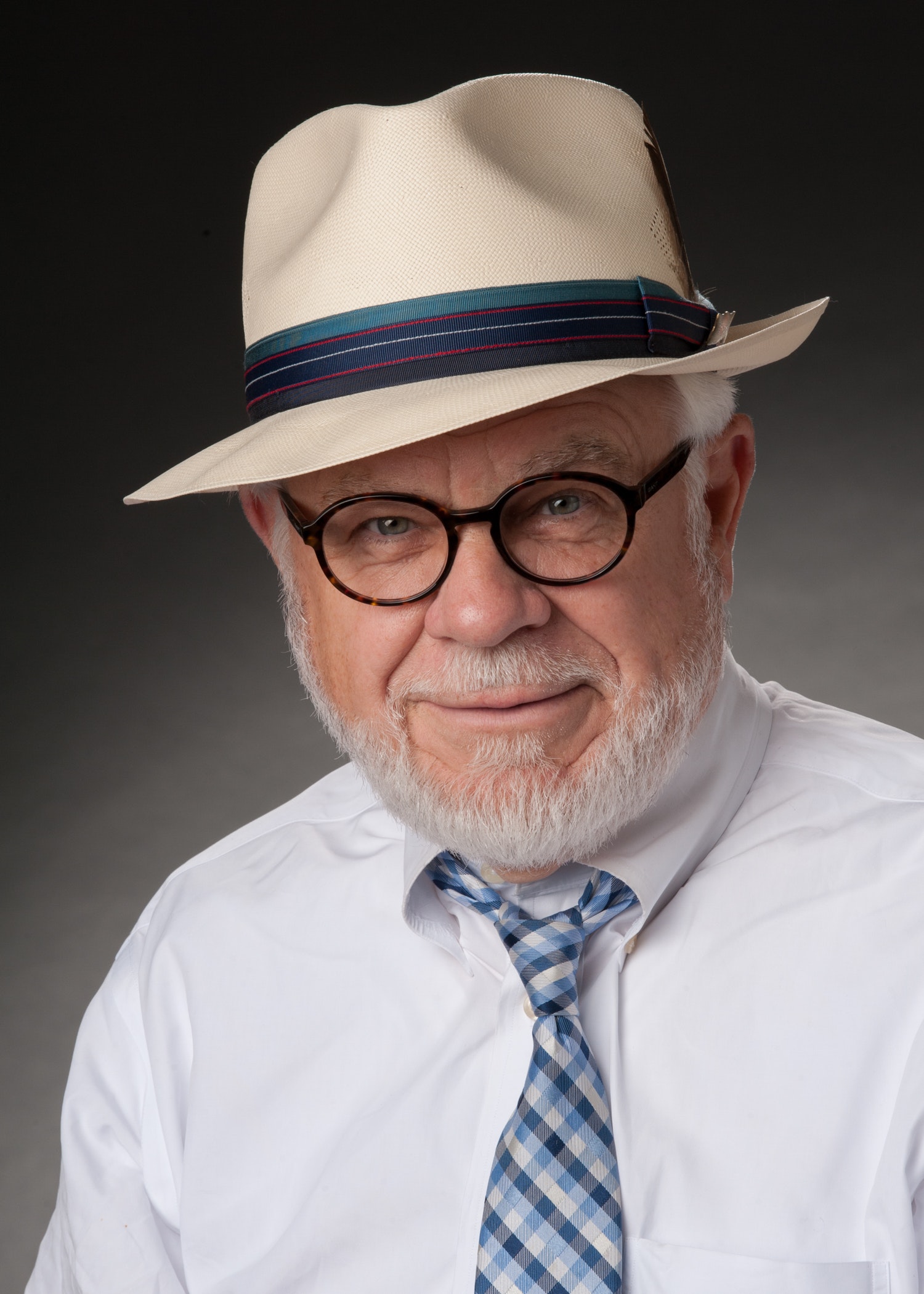
The speaker at last Tuesdays' (June 9) meeting of the North Shreveport Business Association was Bill Sabo. Shreveport's Economic Development Director.
His comments are salient, especially considering he is not a Shreveport native.
A big thanks for sharing with Settle Talk.
“LET ME ASK TWO QUESTIONS:
What would change if Shreveport stopped describing itself by what it lacks and started describing itself by what it already has?
What if the biggest challenge in recruiting investment to North Shreveport is not just land, traffic, or demographics — but the narrative we allow other people to believe about this part of the city?
I’ve been in Shreveport a little over a year and a half now, and one of the things I noticed early is that people here are very honest about the city’s problems. Sometimes brutally honest. And I understand that. We have real issues. We have crime concerns, infrastructure needs, blighted properties, workforce challenges, and neighborhoods that need investment.
But Shreveport is not the only city with problems. I had a boss once who used to say, “If you sit next to someone from Louisiana on an airplane, you’re going to hear about potholes, crime, flooding, hurricanes, and everything that’s broken. If you sit next to someone from Texas, you’re going to hear that Texas is the greatest place in the world to live, work, and invest.”
The truth is that both places have problems. The difference is often the story people choose to tell.
And that matters in economic development. Because investors, retailers, developers, employers, and even our own young people are listening to how we talk about ourselves. If the only story we tell is what is wrong, then we should not be surprised when others believe us. But if we can be honest about our challenges while also being clear about our assets, our progress, and our opportunities, then we put ourselves in a much stronger position.
I especially appreciate the opportunity to speak to you because this is a group that keeps North Shreveport relevant and a vital part of the city.
Before I get into the main topic, I want to take a moment to talk about economic development. Most people think it’s ribbon cuttings, and announcements of new companies. But honestly, our work starts 2, 3 even 4 years before you hear about that grand opening.
It is also important to say that economic development is more than trying to convince businesses to move here. That is one piece of it, but the newer model shows that businesses now look very closely at crime statistics, quality of life, local schools, higher education, workforce, infrastructure, housing, and whether local government is responsive and predictable. A company may start with a site or a building, but the final decision is usually about the total environment around that site.
Economic development is often a concierge service. It’s problem solving. It is about making it easier to do business in Shreveport — for companies that are already here and for companies we want to attract. That means aligning city departments, private businesses, property owners, developers, utilities, workforce partners, and community stakeholders around opportunities.
True economic development creates a broader vision and strategy for making Shreveport a better place to do business not just today but 5, 10, 20 years into the future. It is often said it’s planting seeds for a tree under which you’ll never sit.
So, let’s talk about North Shreveport — not pretending everything is fixed, but also not pretending there is nothing here to build on. There is a lot here to build on.
That is why the Arceneaux administration’s broader work matters so much.
The $256 million in bond improvements are beginning to move from planning into visible impact. Those investments touch infrastructure, public facilities, neighborhoods, streets, and the basic conditions that support private investment.
The City is also working on public safety, including efforts to recruit more law enforcement personnel from Barksdale and strengthen the pipeline of people who can serve in local law enforcement. Public safety is not separate from economic development. It is one of the foundations of it.
We are also addressing blighted properties through the Block-by-Block initiative. Blight is not just a code enforcement issue. It affects neighborhood confidence, property values, investor interest, and the way people perceive an area. When we deal with blight in a targeted way, we are also improving the investment climate.
We have also re-engaged SIRA, our redevelopment agency, to begin the process of acquiring adjudicated land and buildings to move them back into commerce. We work closely with our universities to link training and courses with the workforce needs of our local companies.
We are working through major private-sector opportunities, including the ongoing administrative work connected to G Unit’s investments. There’s also ensuring local businesses are part of the construction of the data center. That is expected to be a $6 billion injection into our economy over the next 5 or so years. Both projects involve property, infrastructure, utilities, timing, financing, and long-term planning. But they are examples of how economic development today requires coordination across many different stakeholders and organizations.
At the same time, we are focused on the practical things that make City Hall easier to work with. The Mayor’s Small Business Task Force identified several areas where we can modernize and simplify processes. That includes moving more services online, reducing the need to come to city hall, streamlining permitting and licensing, improving communication with applicants, and removing unnecessary friction.
Sometimes the improvements are big. Sometimes they are simple but meaningful. For example, if someone can pay for certain licenses by credit card instead of having to get a cashier’s check, that may sound small. But for a business owner trying to open, expand, or stay compliant, those small points of friction matter. They send a message about whether the city is trying to help or simply making people jump through hoops. You will also hear more this week about a major downtown initiative that the City and the Downtown Development Authority are partnering on. Downtown is important to the whole city, and especially North Shreveport.
So, let’s spend some time on North Shreveport specifically.
One of the reasons we wanted better retail analysis is because too often conversations about economic development are based on perception, frustration, or wish lists. Those things are understandable, but they are not enough to recruit investment. Retailers, developers, and lenders make decisions based on data.
We hired a leading consulting firm our of Birmingham to give us a thorough analysis of North Shreveport and North Caddo.
They took a 15-minute drive time perimeter from the middle of MLK, which basically gives you an area just south of downtown and all the way up to Oil City.
The good news is that the data shows North Shreveport is a strong real retail market and regional commercial destination.
It showed:
2 billion in annual retail sales
$500 million from outside the area
A daytime population of 115,000 people
Significant business opportunities in grocery, fast-food, sit-down restaurants, health and wellness, lawn and garden and several others